
Definition: Uses historical data and statistical algorithms to forecast future events or behaviors.
Example: A retailer reduced overstock by 25% using our demand forecasting models, saving millions annually.
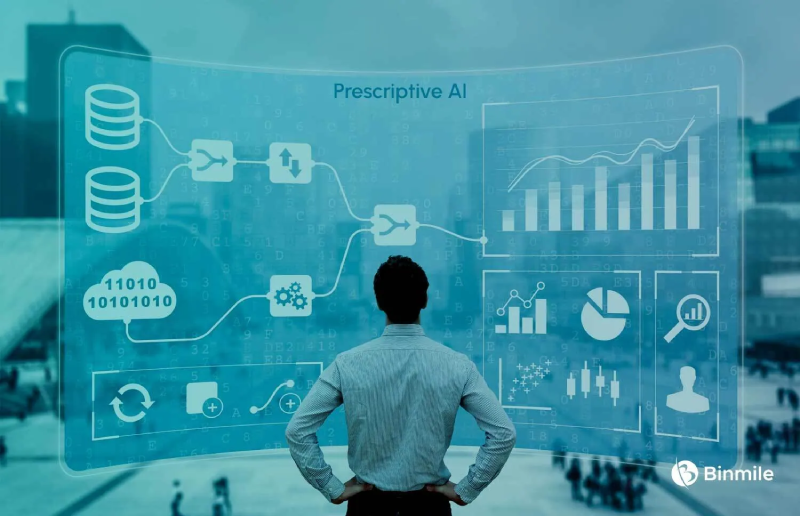
Example: A logistics client used prescriptive AI for route optimization, saving 20% in fuel costs.
Definition: AI models that generate new content – text, images, video, music, or code – based on training data.
Example: A global e-commerce platform used generative AI to auto-create product descriptions, reducing manual effort by 60% and improving SEO.
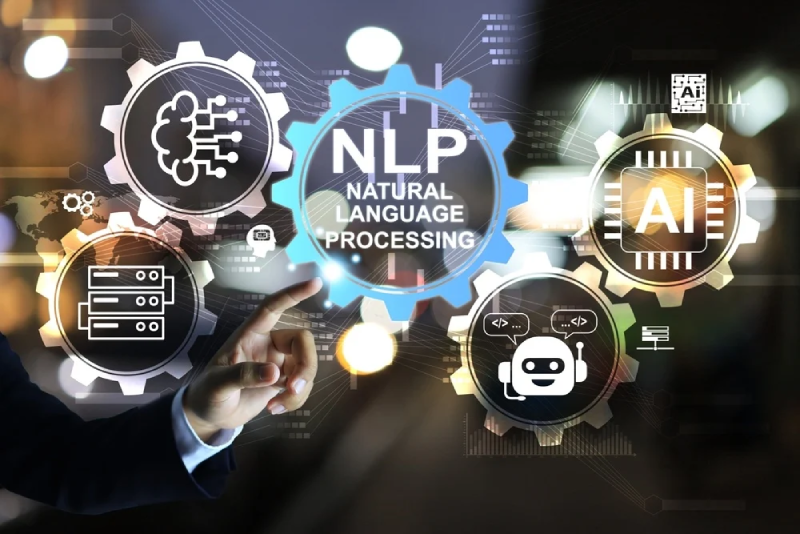
Definition: Enables machines to understand, interpret, and respond to human language.
Example: A bank implemented an AI-powered chatbot that handled 50% of customer queries, cutting call center costs significantly.
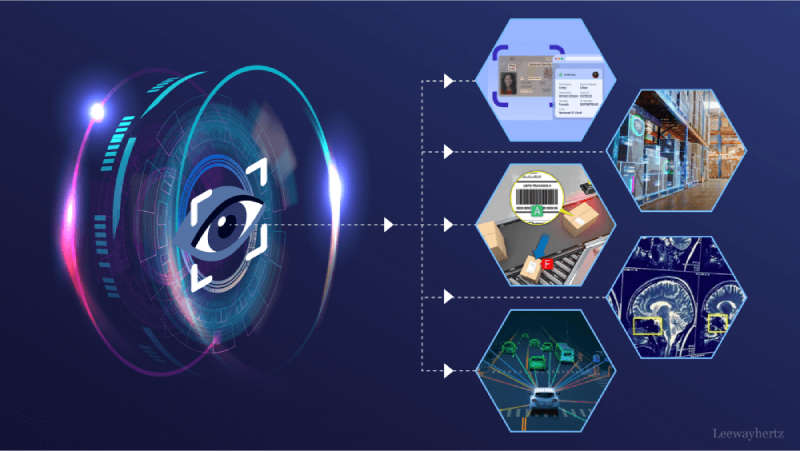
Definition: AI that interprets and processes visual data such as images and videos.
Example: An automotive manufacturer reduced defect detection errors by 40% using AI-based quality checks.
Definition: AI learns by trial and error, optimizing decisions based on rewards and penalties.
Example: A logistics provider used reinforcement learning to optimize warehouse robotics, reducing delivery times by 15%.
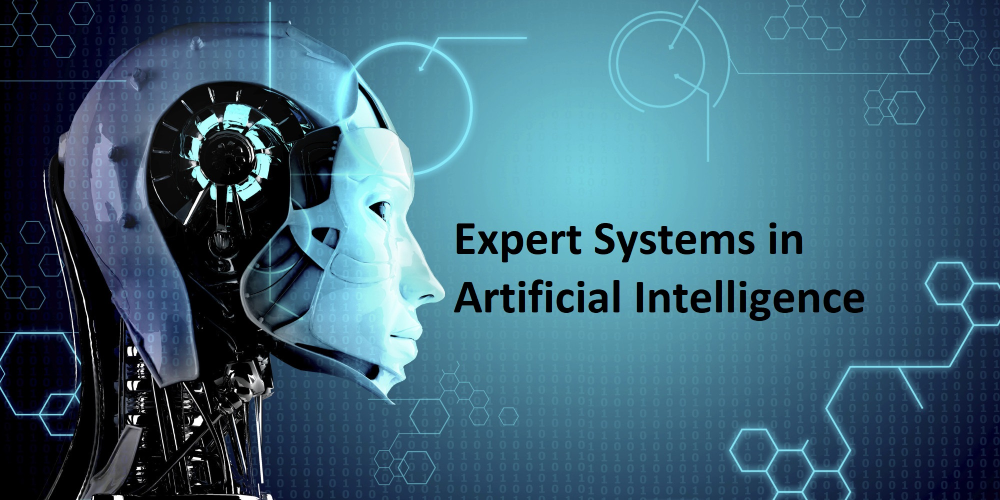
Definition: Rule-based AI systems designed to mimic decision-making of human experts.
Example: A hospital deployed an AI expert system to support doctors in diagnosing rare diseases, improving accuracy by 22%.

Definition: AI embedded into robots and automated systems for physical tasks.
Example: A warehouse automated picking and packing using AI robots, reducing manual labor costs by 30%.
Definition: Converts human speech into machine-readable data and interprets it.
Example: A telecom company deployed voice bots that resolved 65% of customer calls without human intervention.

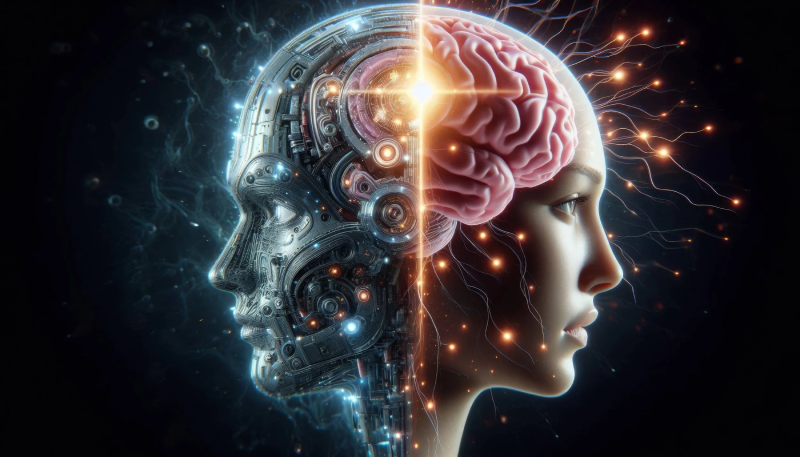
Definition: Combines multiple AI technologies (NLP, vision, reasoning) to simulate human-like decision-making.
Use Cases & Real-World Problems Solved:
Example: A hospital deployed an AI expert system to support doctors in diagnosing rare diseases, improving accuracy by 22%.
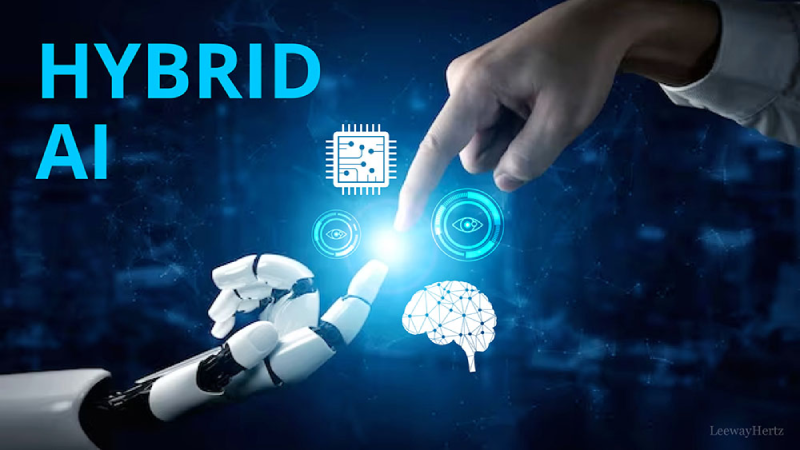
Definition: Integration of multiple AI techniques (e.g., combining NLP + Computer Vision + Predictive AI).
Example: A city authority reduced traffic congestion by 30% using hybrid AI for traffic light optimization.
Need assistance? We're here to help with support, guidance, and resources. Reach out to us anytime.
AI services refer to solutions that use machine learning, data analytics, automation, and intelligent algorithms to help businesses optimize operations, improve decision-making, enhance customer experiences, and accelerate digital transformation. These services include AI consulting, model development, automation, predictive analytics, NLP, and more.
AI can streamline repetitive tasks, reduce operational costs, enhance data-driven decision-making, improve accuracy, personalise customer interactions, and identify patterns that humans may overlook. It helps businesses increase efficiency, productivity, and scalability while enabling innovation-driven growth.
AI is industry-agnostic and can be applied across sectors like manufacturing, retail, healthcare, logistics, finance, education, real estate, and IT. Whether it’s predictive maintenance, demand forecasting, fraud detection, or customer analytics, AI adapts to diverse business needs.
Not always. While some AI models benefit from large datasets, many modern solutions work effectively with small or structured datasets. AI consulting teams can assess your data readiness and recommend the right approach whether it’s data augmentation, integrations, or starting with small-scale automation models.
The timeline depends on project complexity. Simple automation solutions may take a few weeks, while advanced AI models involving custom development, integrations, and training may take several months. A typical AI project begins with discovery, data assessment, prototyping, development, and deployment.
